Map the route from product to parcel
Choosing packaging starts with the job it needs to do. Describe your product, the packing process and the route to the recipient. Think about who handles the package, whether it goes into another carton and what information needs to be visible along the way.
Separate presentation, storage, outer shipping and protection in your brief. One product may need more than one packaging component. A clear description of these roles helps you discuss a practical combination instead of assuming one bag will solve every requirement.
Start with the product family
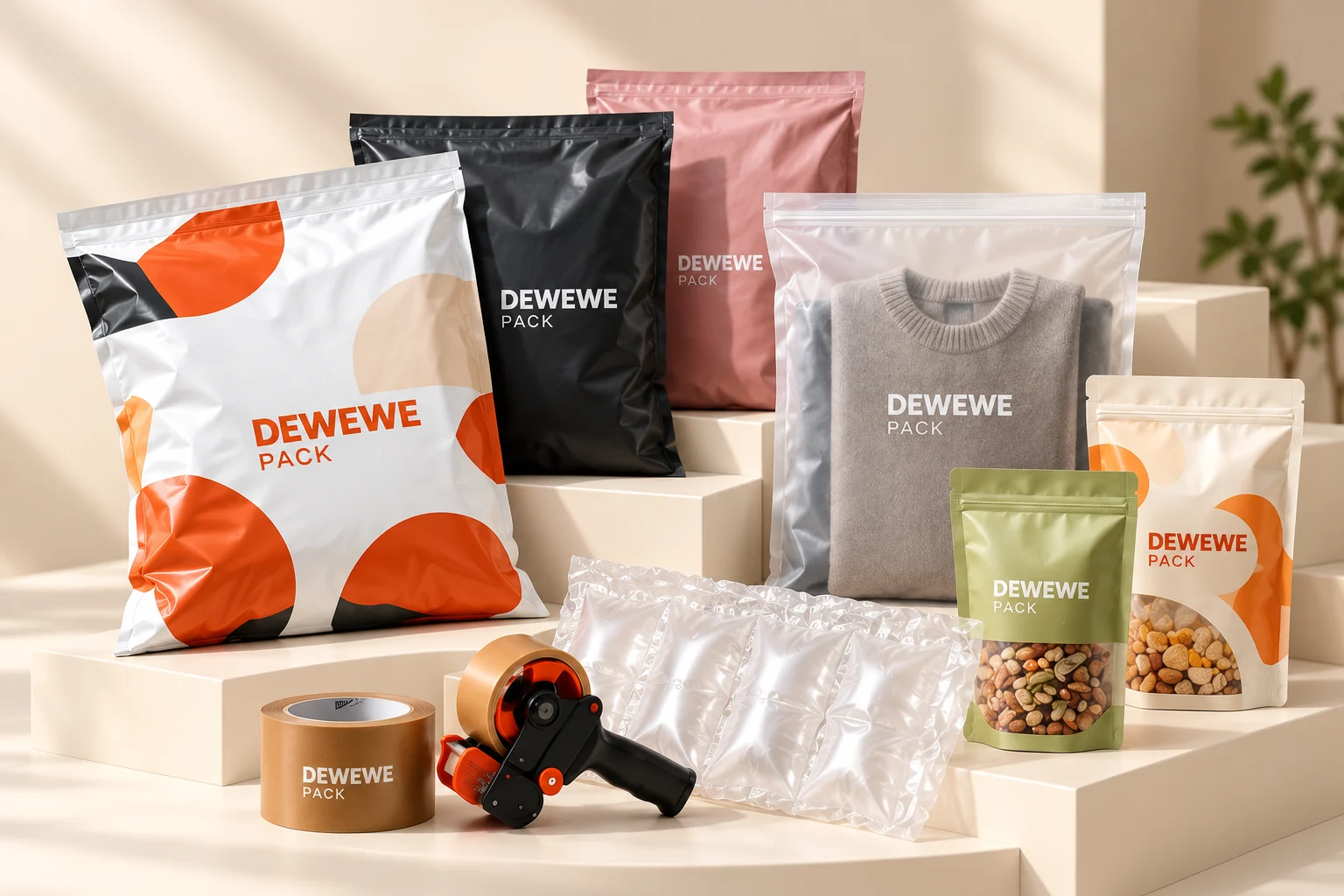
DEWEWE PACK works across five packaging families. Use the family as a starting point, then confirm the actual format, material, dimensions and intended use for your order.
| Product family | Questions for your brief |
|---|---|
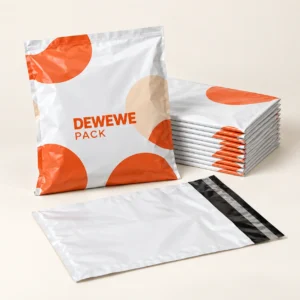
| Mailing bags | What is being shipped, and how will the outer package be handled? |
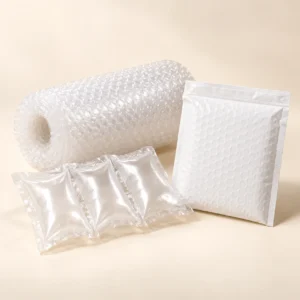
| Cushioning packaging | What needs added protection, and how does the packing team use it? |
| Clothing zipper bags | How is the apparel presented, stored and handled? |
| Tapes and dispensers | What is being sealed and how does the team work? |
| Food bags | What is packed, under what conditions, and what documentation is required? |
Describe the packing workflow
Tell us how your staff open, fill, close and store the packaging. If the packaging is used in a fulfillment warehouse, describe the order mix and the points where handling becomes difficult. If it goes to a distributor, explain how the range should be organized for repeat purchasing.
Photographs of the product and your current packing setup can clarify the discussion. Include any label positions, closure preferences or presentation requirements. Do not assume a photograph alone communicates the material, thickness or usable dimensions.
Confirm material and documentation needs
A material choice should be discussed around the specific product and use. Share any reference samples and the information you already know. If a certain document is required by your purchasing process, identify it before the specification is agreed.
Ask about the exact product. A certificate or test report, when available, needs to relate to the relevant company, product and scope. Do not treat a general website image as proof for a particular order.
For food packaging, explain the food, packing process and conditions rather than relying only on a bag’s appearance. The team needs that context to discuss the available options and the information to confirm.
Plan printing and repeat orders together
If the packaging carries your brand, include artwork requirements in the first conversation. The size, artwork position and number of versions are part of the same brief. Note which details should remain consistent when you reorder.
Keep the agreed specification and artwork together with the quotation. When an order changes, clearly identify the change instead of assuming an old reference still applies. This is particularly useful when you purchase multiple sizes for different products.
Build a clear comparison
- Compare the same intended use and dimensions.
- State the material and closure details you want to discuss.
- List the quantity of each version.
- Confirm what is included in the print layout.
- Separate sample review, factory dispatch and freight planning.
Browse our five product families and send the format, dimensions, quantity and destination when you request a quotation. If you are undecided, explain the packing job so we can start with the requirements.
Explore related packaging
Discuss your packaging project
Share your product, dimensions, quantity, artwork and destination.